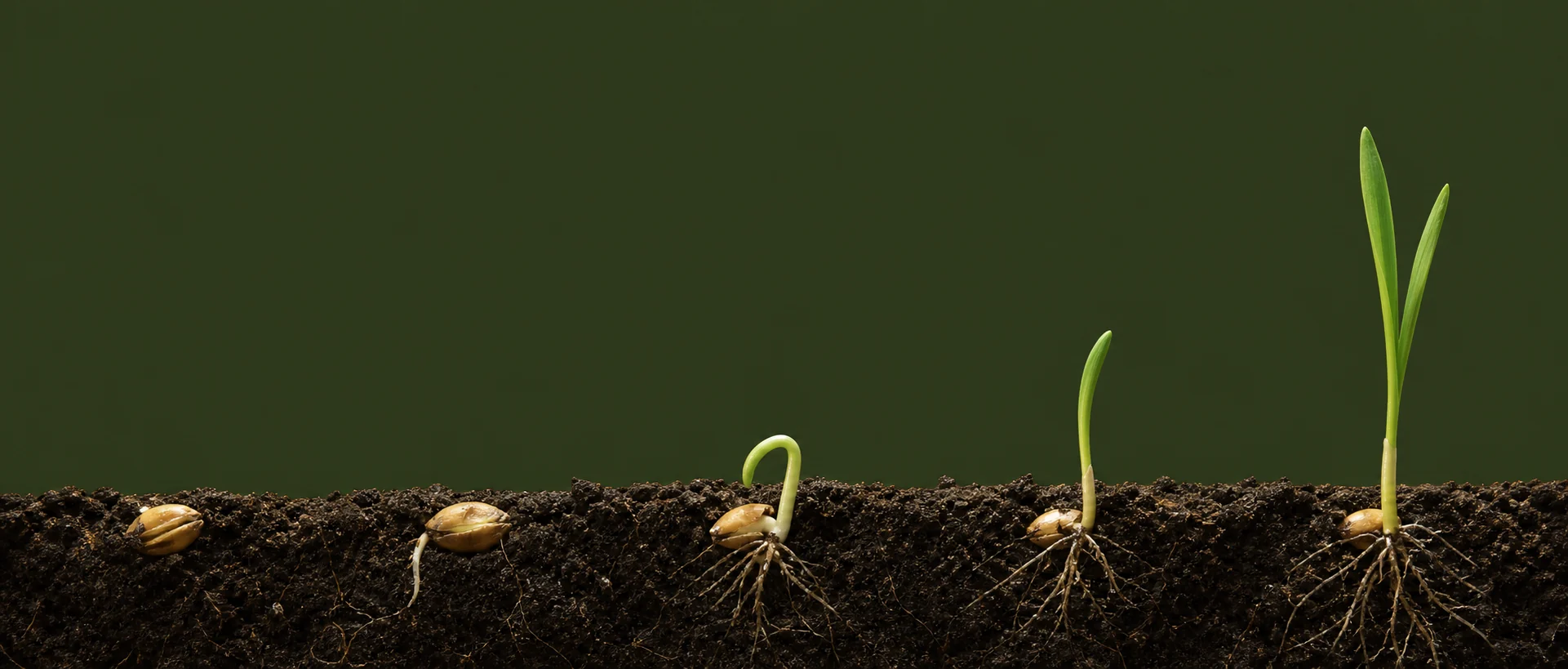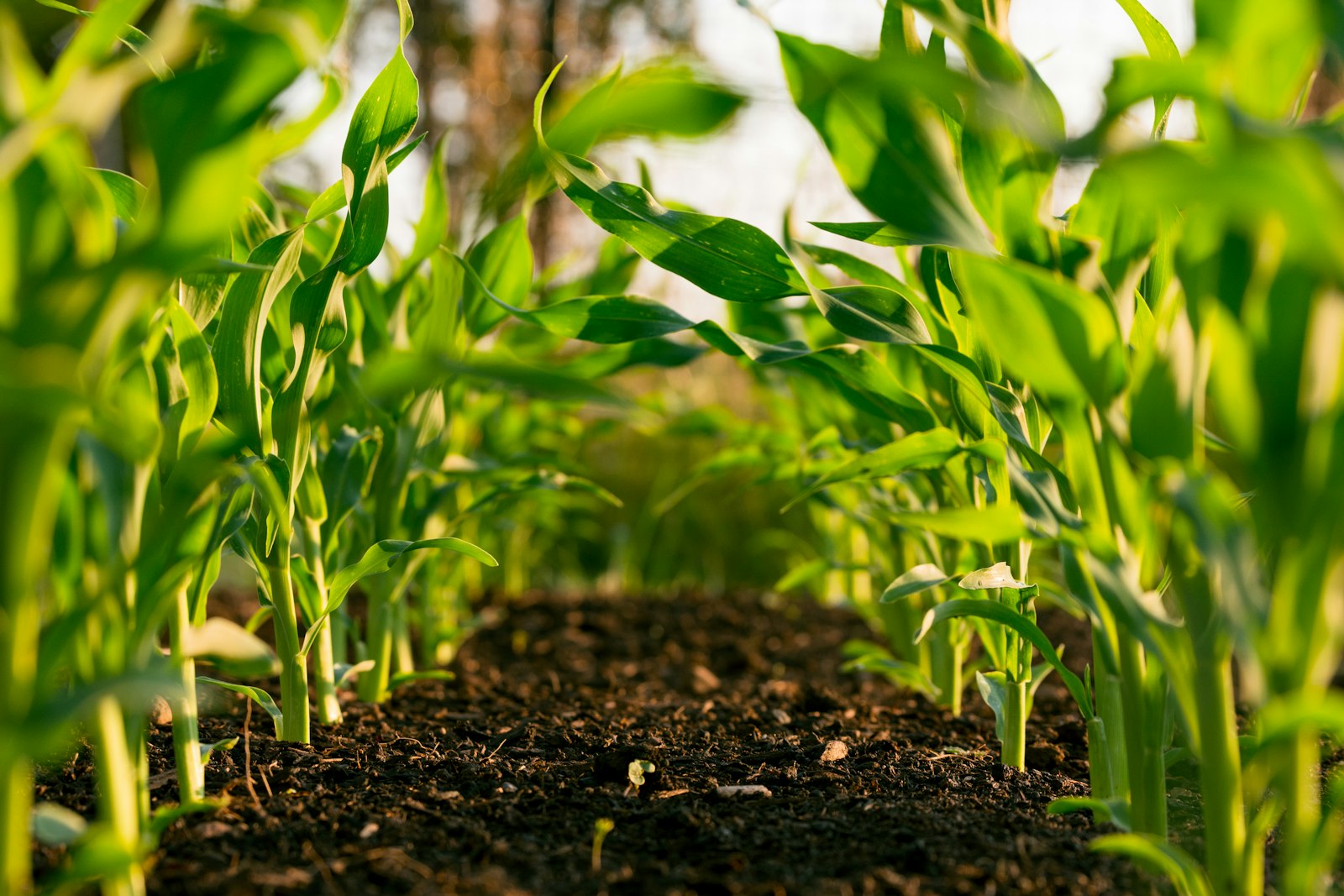

Stubble, pasture and bare fallow change how water enters Australian soils. What moisture screens hint at when cover and crusting shift.
Ground cover is the skin of a paddock. In Australian dryland cropping it is stubble, volunteer pasture, weeds where control failed, and the litter layer that catches the first millimetres of rain. In mixed farms it is clover phases, graze-down stubbles, and bare patches where sheep camped or machinery tracked. Cover controls infiltration, runoff, evaporation, and crusting — and therefore how moisture at a screening depth behaves after a break. If you read TerraTactics moisture or conductivity without noting cover, you are half-reading the season.
This Field Note ties ground cover monitoring to infiltration and the moisture story portable screening can tell. It draws on familiar themes from GRDC stubble retention work, soilquality.org.au soil health material, and DPI erosion and water infiltration extension — without turning cover into a scorecard competition. TerraTactics gives repeatable indicators at named points; it does not replace transect cover assessments used in research or replace your judgement on grazing pressure.
WHY COVER MATTERS FOR INFILTRATION
Rain that hits bare, detached soil on sloping ground often runs off or sheets before it enters the profile. Stubble and anchored residue break droplet impact, slow water at the surface, and give time for infiltration on cracking clays and sands alike. The effect is not uniform: ten tonnes per hectare stubble on a flat black soil behaves differently to sparse cover on a gravel rise in WA.
Infiltration is also path-dependent. First rain after a long dry may seal sodic or dispersive surfaces whether or not stubble remains — another reason named points and notes beat one-off readings. Second and third rain events often tell a truer story once crust forms or breaks.
Ground cover monitoring in an Australian context means honest percentage estimates or photo points at the same named locations, aligned with probe visits. You do not need a research transect every week; you need consistency when you say "heavy stubble", "bare fallow", or "grazed to dirt".
CRUSTING AND THE FALSE DRY SURFACE
Crusting after intense rain or irrigation blocks gas exchange and can make surface moisture look high while roots struggle below a hard skin. Bare fallow paddocks on sodic soils are notorious. Moisture screens at standard depth may wet slowly on crusted points while neighbouring stubble points accept rain — same storm, different story.
Record crust yes or no in point notes. If you screen only on bare fallow years, expect different moisture dynamics than stubble-retained neighbours even when total season rainfall matches.
STUBBLE RETENTION VERSUS BARE FALLOW
Stubble retention supports infiltration and reduces erosion risk in many districts; it also ties up nitrogen early, harbours pests, and complicates sowing — trade-offs GRDC regional guides discuss openly. Bare fallow stores moisture on some soil types at the cost of exposure to erosion and salinity rise on rises. Neither choice removes the need to record which paddock is which when comparing moisture screens.
A stubble paddock probed mid-row versus on an inter-row bare strip measures different micro-environments. Pick one convention — mid-row between stubble lines, for example — and stay with it at each named point.
MOISTURE SCREENS AS CLUES, NOT IRRIGATION SCHEDULERS
On dryland, portable moisture at a fixed depth is a comparison tool between points and across visits under similar cover and recent rain — not an absolute "plant available water bank" without calibration to your soil type. Cover strongly affects how fast moisture arrives at the depth you standardise. After the autumn break, stubble points that wet faster than bare fallow on the same paddock teach infiltration lessons before yield speaks at harvest.
In-crop, moisture dropping faster on bare strips near tramlines may reflect cover loss and compaction together — link to subsoil and traffic notes rather than blaming variety alone.
Conductivity often travels with moisture context: reading salinity screens without noting cover and rain is weaker evidence. Elevated conductivity on bare saline seeps after drought break is a classic pattern; stubble may mask surface evaporation concentration slightly while the underlying issue remains.
TEMPERATURE, EVAPORATION AND SURFACE SHADE
Stubble shades soil; bare ground heats and dries faster in spring. Temperature on the probe complements moisture when cover changes between years on the same point — for example, after a fire pass or heavy grazing. Note the change; do not merge pre- and post-graze visits into one trend line without labelling the event.
MONITORING COVER WITHOUT THEATRE
Practical cover monitoring for growers:
Same named points as soil screening.
Simple categories: bare, sparse, moderate, heavy stubble or pasture; note graze level if stock present.
Optional phone photo from fixed direction once a season for memory.
Paddock-level notes when whole unit is cultivated for fallow — resets the cover story deliberately.
Research-grade cover sticks and quadrats belong in trials; your job is repeatable honesty, not publishing a paper.
WATER REpellency AND ORGANIC LITTER
Some Australian sands and burnt stubbles show water repellency at the surface. Infiltration looks poor despite cover; moisture at depth lags for reasons other than crusting. If repellency is known on your soil type, say so in notes when moisture screens look oddly dry after rain.
Sheep camps with heavy litter may infiltrate differently from mid-paddock — overlap with stock-camp Field Note themes.
EROSION, RUNOFF AND OFF-PADDOCK EFFECTS
Poor cover sends water and soil to neighbours and drains. Screening points near drainage lines may read moisture long after rises dry — cover on the contributing slope matters. DPI erosion programs emphasise cover thresholds for wind and water; your probe visits after storms on bare paddocks document risk periods even when you cannot quantify tonnes lost.
GRDC stubble messages align: retained cover reduces erosion; your records show whether retained cover also changed moisture entry at standard depth on your named points.
COMPARING PADDOCKS FAIRLY
Compare stubble to stubble, fallow to fallow, or explicitly document the contrast. The dryland calendar Field Note timing helps: post-break windows when rain history is shared. Comparing a grazed stubble point in September to an ungrazed point in May is weather and management, not infiltration science.
TERRATACTICS RECORDS THAT HOLD THE MOISTURE STORY
Log cover in point notes alongside the seven indicators. Use the Grower portal so moisture trends carry context — "heavy stubble, 22 mm four days ago" beats a naked moisture curve. Upload laboratory PDFs or photos under Lab reports so Soil Analysis can cite them beside cover notes from the same season; moisture screens bridge between formal tests.
Do not ask portable moisture to set sowing depth on dryland alone; use it with break timing, seedbed feel, and adviser rules. Do ask it whether last year's strip-till row still wets differently from the inter-row — that is infiltration architecture you can act on mechanically or with cover goals.
STUBBLE BURNING AND COVER RESET
If you burn, note date and whether burn was uniform. First probe pass after burn documents the reset for next season's comparison. Regulatory and wind rules belong to you; the Field Note only asks that the record reflect the reset.
PASTURE PHASES AND LEGUME COVER
Pasture cover is cover. Legume-rich phases fix nitrogen and change organic matter; dense pasture reduces erosion and improves infiltration relative to bare fallow. When returning to crop, cover note and moisture at standard depth explain early crop vigour differences that nutrient screens alone might misattribute.
GRAZING STUBbles: MIXED FARMING REALITY
Sheep on stubbles strip cover unevenly. Note class, duration, and whether point was in camp zone. Moisture after grazing storms may show runoff on bare camp patches while stubble strips accept water — spatial pattern matters more than paddock average cover percent.
IRRIGATION DISTRICTS: COVER STILL COUNTS
Irrigation can mask poor infiltration with frequent water; cover still affects crusting, evaporation, and salinity concentration at surface. Record cover at probe points near check banks and tail drains where bare soil is common.
LINK TO YIELD AND EM
Yield maps that stripe on erosion-prone slopes or show chronic dry corners may tie back to cover history years before. EM surveys respond to moisture and clay; cover affects how fast moisture profiles rebuild after rain. Use maps to pick probe points; use probe plus cover notes to explain maps — not to prescribe product rates.
WHAT PORTABLE SCREENING WILL NOT DO
It will not measure total stubble biomass in kilograms per hectare. It will not replace infiltration ring tests in research. It will not prove compliance with stewardship programs without your cover observations. It will support a disciplined moisture narrative when cover is recorded faithfully.
WORKING WITH ADVISERS
Walk paddocks with cover language ready: "We standardise mid-row stubble; this point was grazed hard in February." Show the adviser a moisture contrast between named stubble and fallow points after the same rain without overclaiming precision.
Ask laboratories and agronomists acidity or salinity questions with cover context; liming and gypsum responses interact with surface condition.
WIND EROSION AND COVER THRESHOLDS
Wind erosion removes fine particles and leaves lag gravel on rises — infiltration and nutrient holding change slowly but permanently. Cover thresholds in DPI wind erosion material are expressed as percent cover or stubble height for a reason. When your post-harvest note says "bare and loose after grazing", you are flagging a risk window before the next break even if moisture screens still look dry. After a wind event, note drift against fences; probe points downwind may gain sand and lose organic matter compared to upwind neighbours.
ROW SPACING, STRIP SYSTEMS AND PARTIAL COVER
Strip till and controlled-traffic systems create alternating cover and bare lanes. If your standard point sits in a bare lane every year, you measure traffic architecture as much as paddock rainfall. Move one point to retained stubble inter-row deliberately to compare infiltration paths on the same management unit. Banded spraying and fertiliser leave short-term bare strips — avoid them for a week, same as the calendar Field Note says for urea.
DOUBLE-CROP AND SHORT FALLOW COVER
Summer crop entry after winter harvest compresses the cover reset. Moisture screens after harvest rain on sorghum stubble versus wheat stubble differ — note previous crop in the point record. Short fallow between crops may never reach heavy cover; comparisons to long fallow paddocks on the same farm need explicit labels or you will think one soil type "accepts rain faster" when it was only stubble amount.
LEGACY PASTURE AND WEED COVER
Weed cover still breaks droplets compared to bare cultivated seedbed — but weeds are not stubble retention for erosion programs. Note species if you know them ("annual ryegrass cover, moderate") so advisers understand biology and herbicide timing, not only moisture. Perennial grass paddocks going to crop may have dense roots and surface litter; first probe pass after spray-out documents the transition.
HARVEST RESIDUE HEIGHT AND NEXT BREAK
Header height sets next season's cover before you choose retention or grazing. A high cut leaves more stubble for infiltration; a low cut near soil line may feel like fallow within months if sheep or weather strip it. Post-harvest screening plus cover note captures that decision while memory is fresh. Advisers planning sowing depth and pre-emergent strategy use cover context more than a single moisture integer.
FROST AND COVER INTERACTION
Heavy stubble can alter surface radiation and airflow on frost-prone flats — cover notes help explain frost damage stripes that moisture alone cannot. This Field Note does not resolve frost management; it keeps your screening record complete when advisers join frost, cover and soil moisture in one conversation.
Repeat cover notes on every visit even when nothing changed — "heavy stubble, unchanged since harvest" is valid data.
CLOSING
Ground cover is infiltration's front door in Australian cropping and mixed farming. Crusting, stubble, fallow, and grazing change how rain reaches the depth you screen. TerraTactics moisture and conductivity readings gain meaning when cover is monitored at the same named points with plain notes — stubble versus bare fallow, crust, graze, and rain. Use screens as seasonal clues in a repeatable story, not as standalone irrigation or fertiliser triggers. Keep cover in the record; the moisture story stays honest enough to act on with your agronomist when it counts.
This Field Note ties ground cover monitoring to infiltration and the moisture story portable screening can tell. It draws on familiar themes from GRDC stubble retention work, soilquality.org.au soil health material, and DPI erosion and water infiltration extension — without turning cover into a scorecard competition. TerraTactics gives repeatable indicators at named points; it does not replace transect cover assessments used in research or replace your judgement on grazing pressure.
WHY COVER MATTERS FOR INFILTRATION
Rain that hits bare, detached soil on sloping ground often runs off or sheets before it enters the profile. Stubble and anchored residue break droplet impact, slow water at the surface, and give time for infiltration on cracking clays and sands alike. The effect is not uniform: ten tonnes per hectare stubble on a flat black soil behaves differently to sparse cover on a gravel rise in WA.
Infiltration is also path-dependent. First rain after a long dry may seal sodic or dispersive surfaces whether or not stubble remains — another reason named points and notes beat one-off readings. Second and third rain events often tell a truer story once crust forms or breaks.
Ground cover monitoring in an Australian context means honest percentage estimates or photo points at the same named locations, aligned with probe visits. You do not need a research transect every week; you need consistency when you say "heavy stubble", "bare fallow", or "grazed to dirt".
CRUSTING AND THE FALSE DRY SURFACE
Crusting after intense rain or irrigation blocks gas exchange and can make surface moisture look high while roots struggle below a hard skin. Bare fallow paddocks on sodic soils are notorious. Moisture screens at standard depth may wet slowly on crusted points while neighbouring stubble points accept rain — same storm, different story.
Record crust yes or no in point notes. If you screen only on bare fallow years, expect different moisture dynamics than stubble-retained neighbours even when total season rainfall matches.
STUBBLE RETENTION VERSUS BARE FALLOW
Stubble retention supports infiltration and reduces erosion risk in many districts; it also ties up nitrogen early, harbours pests, and complicates sowing — trade-offs GRDC regional guides discuss openly. Bare fallow stores moisture on some soil types at the cost of exposure to erosion and salinity rise on rises. Neither choice removes the need to record which paddock is which when comparing moisture screens.
A stubble paddock probed mid-row versus on an inter-row bare strip measures different micro-environments. Pick one convention — mid-row between stubble lines, for example — and stay with it at each named point.
MOISTURE SCREENS AS CLUES, NOT IRRIGATION SCHEDULERS
On dryland, portable moisture at a fixed depth is a comparison tool between points and across visits under similar cover and recent rain — not an absolute "plant available water bank" without calibration to your soil type. Cover strongly affects how fast moisture arrives at the depth you standardise. After the autumn break, stubble points that wet faster than bare fallow on the same paddock teach infiltration lessons before yield speaks at harvest.
In-crop, moisture dropping faster on bare strips near tramlines may reflect cover loss and compaction together — link to subsoil and traffic notes rather than blaming variety alone.
Conductivity often travels with moisture context: reading salinity screens without noting cover and rain is weaker evidence. Elevated conductivity on bare saline seeps after drought break is a classic pattern; stubble may mask surface evaporation concentration slightly while the underlying issue remains.
TEMPERATURE, EVAPORATION AND SURFACE SHADE
Stubble shades soil; bare ground heats and dries faster in spring. Temperature on the probe complements moisture when cover changes between years on the same point — for example, after a fire pass or heavy grazing. Note the change; do not merge pre- and post-graze visits into one trend line without labelling the event.
MONITORING COVER WITHOUT THEATRE
Practical cover monitoring for growers:
Same named points as soil screening.
Simple categories: bare, sparse, moderate, heavy stubble or pasture; note graze level if stock present.
Optional phone photo from fixed direction once a season for memory.
Paddock-level notes when whole unit is cultivated for fallow — resets the cover story deliberately.
Research-grade cover sticks and quadrats belong in trials; your job is repeatable honesty, not publishing a paper.
WATER REpellency AND ORGANIC LITTER
Some Australian sands and burnt stubbles show water repellency at the surface. Infiltration looks poor despite cover; moisture at depth lags for reasons other than crusting. If repellency is known on your soil type, say so in notes when moisture screens look oddly dry after rain.
Sheep camps with heavy litter may infiltrate differently from mid-paddock — overlap with stock-camp Field Note themes.
EROSION, RUNOFF AND OFF-PADDOCK EFFECTS
Poor cover sends water and soil to neighbours and drains. Screening points near drainage lines may read moisture long after rises dry — cover on the contributing slope matters. DPI erosion programs emphasise cover thresholds for wind and water; your probe visits after storms on bare paddocks document risk periods even when you cannot quantify tonnes lost.
GRDC stubble messages align: retained cover reduces erosion; your records show whether retained cover also changed moisture entry at standard depth on your named points.
COMPARING PADDOCKS FAIRLY
Compare stubble to stubble, fallow to fallow, or explicitly document the contrast. The dryland calendar Field Note timing helps: post-break windows when rain history is shared. Comparing a grazed stubble point in September to an ungrazed point in May is weather and management, not infiltration science.
TERRATACTICS RECORDS THAT HOLD THE MOISTURE STORY
Log cover in point notes alongside the seven indicators. Use the Grower portal so moisture trends carry context — "heavy stubble, 22 mm four days ago" beats a naked moisture curve. Upload laboratory PDFs or photos under Lab reports so Soil Analysis can cite them beside cover notes from the same season; moisture screens bridge between formal tests.
Do not ask portable moisture to set sowing depth on dryland alone; use it with break timing, seedbed feel, and adviser rules. Do ask it whether last year's strip-till row still wets differently from the inter-row — that is infiltration architecture you can act on mechanically or with cover goals.
STUBBLE BURNING AND COVER RESET
If you burn, note date and whether burn was uniform. First probe pass after burn documents the reset for next season's comparison. Regulatory and wind rules belong to you; the Field Note only asks that the record reflect the reset.
PASTURE PHASES AND LEGUME COVER
Pasture cover is cover. Legume-rich phases fix nitrogen and change organic matter; dense pasture reduces erosion and improves infiltration relative to bare fallow. When returning to crop, cover note and moisture at standard depth explain early crop vigour differences that nutrient screens alone might misattribute.
GRAZING STUBbles: MIXED FARMING REALITY
Sheep on stubbles strip cover unevenly. Note class, duration, and whether point was in camp zone. Moisture after grazing storms may show runoff on bare camp patches while stubble strips accept water — spatial pattern matters more than paddock average cover percent.
IRRIGATION DISTRICTS: COVER STILL COUNTS
Irrigation can mask poor infiltration with frequent water; cover still affects crusting, evaporation, and salinity concentration at surface. Record cover at probe points near check banks and tail drains where bare soil is common.
LINK TO YIELD AND EM
Yield maps that stripe on erosion-prone slopes or show chronic dry corners may tie back to cover history years before. EM surveys respond to moisture and clay; cover affects how fast moisture profiles rebuild after rain. Use maps to pick probe points; use probe plus cover notes to explain maps — not to prescribe product rates.
WHAT PORTABLE SCREENING WILL NOT DO
It will not measure total stubble biomass in kilograms per hectare. It will not replace infiltration ring tests in research. It will not prove compliance with stewardship programs without your cover observations. It will support a disciplined moisture narrative when cover is recorded faithfully.
WORKING WITH ADVISERS
Walk paddocks with cover language ready: "We standardise mid-row stubble; this point was grazed hard in February." Show the adviser a moisture contrast between named stubble and fallow points after the same rain without overclaiming precision.
Ask laboratories and agronomists acidity or salinity questions with cover context; liming and gypsum responses interact with surface condition.
WIND EROSION AND COVER THRESHOLDS
Wind erosion removes fine particles and leaves lag gravel on rises — infiltration and nutrient holding change slowly but permanently. Cover thresholds in DPI wind erosion material are expressed as percent cover or stubble height for a reason. When your post-harvest note says "bare and loose after grazing", you are flagging a risk window before the next break even if moisture screens still look dry. After a wind event, note drift against fences; probe points downwind may gain sand and lose organic matter compared to upwind neighbours.
ROW SPACING, STRIP SYSTEMS AND PARTIAL COVER
Strip till and controlled-traffic systems create alternating cover and bare lanes. If your standard point sits in a bare lane every year, you measure traffic architecture as much as paddock rainfall. Move one point to retained stubble inter-row deliberately to compare infiltration paths on the same management unit. Banded spraying and fertiliser leave short-term bare strips — avoid them for a week, same as the calendar Field Note says for urea.
DOUBLE-CROP AND SHORT FALLOW COVER
Summer crop entry after winter harvest compresses the cover reset. Moisture screens after harvest rain on sorghum stubble versus wheat stubble differ — note previous crop in the point record. Short fallow between crops may never reach heavy cover; comparisons to long fallow paddocks on the same farm need explicit labels or you will think one soil type "accepts rain faster" when it was only stubble amount.
LEGACY PASTURE AND WEED COVER
Weed cover still breaks droplets compared to bare cultivated seedbed — but weeds are not stubble retention for erosion programs. Note species if you know them ("annual ryegrass cover, moderate") so advisers understand biology and herbicide timing, not only moisture. Perennial grass paddocks going to crop may have dense roots and surface litter; first probe pass after spray-out documents the transition.
HARVEST RESIDUE HEIGHT AND NEXT BREAK
Header height sets next season's cover before you choose retention or grazing. A high cut leaves more stubble for infiltration; a low cut near soil line may feel like fallow within months if sheep or weather strip it. Post-harvest screening plus cover note captures that decision while memory is fresh. Advisers planning sowing depth and pre-emergent strategy use cover context more than a single moisture integer.
FROST AND COVER INTERACTION
Heavy stubble can alter surface radiation and airflow on frost-prone flats — cover notes help explain frost damage stripes that moisture alone cannot. This Field Note does not resolve frost management; it keeps your screening record complete when advisers join frost, cover and soil moisture in one conversation.
Repeat cover notes on every visit even when nothing changed — "heavy stubble, unchanged since harvest" is valid data.
CLOSING
Ground cover is infiltration's front door in Australian cropping and mixed farming. Crusting, stubble, fallow, and grazing change how rain reaches the depth you screen. TerraTactics moisture and conductivity readings gain meaning when cover is monitored at the same named points with plain notes — stubble versus bare fallow, crust, graze, and rain. Use screens as seasonal clues in a repeatable story, not as standalone irrigation or fertiliser triggers. Keep cover in the record; the moisture story stays honest enough to act on with your agronomist when it counts.
A screening reading is a starting point
TerraTactics readings help you target follow-up sampling. Confirm anything material with
accredited laboratory testing and a qualified local agronomist.
Published 12 July 2026 by David Gilbert